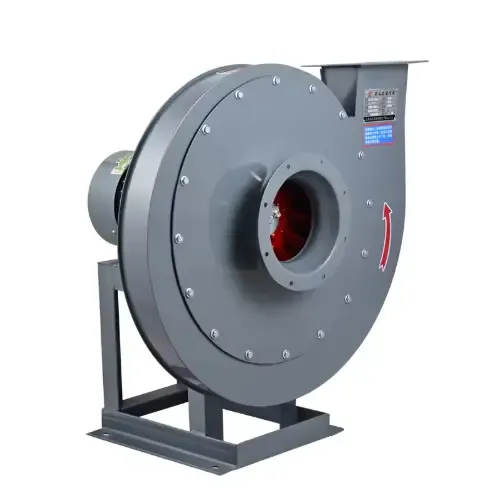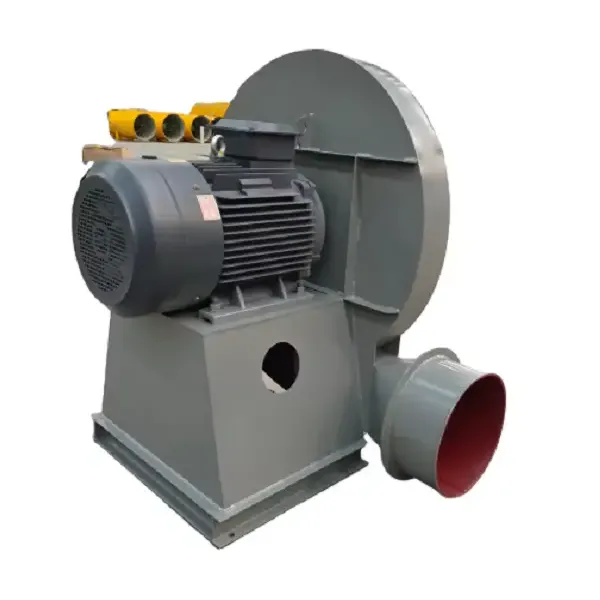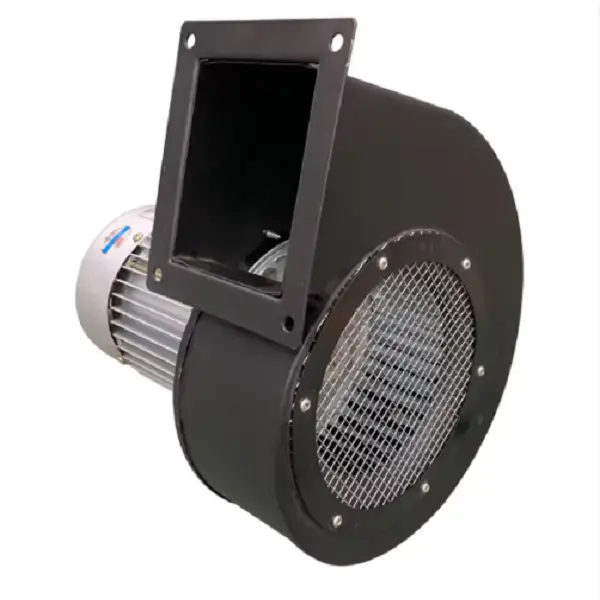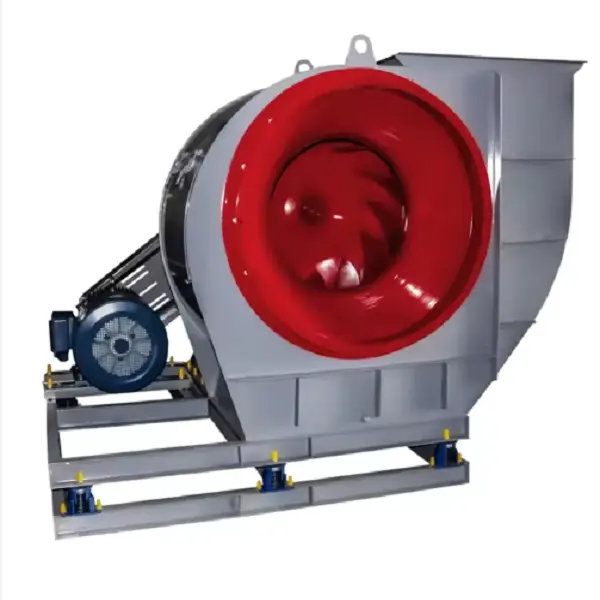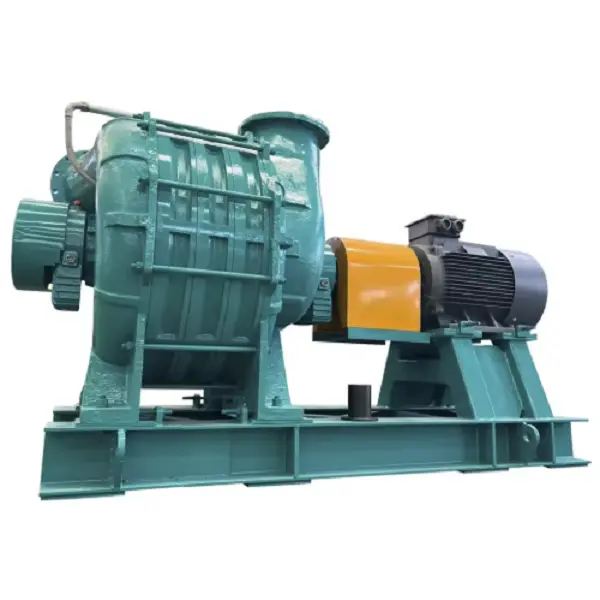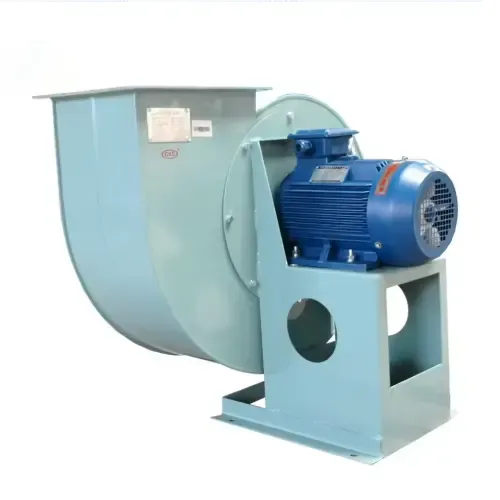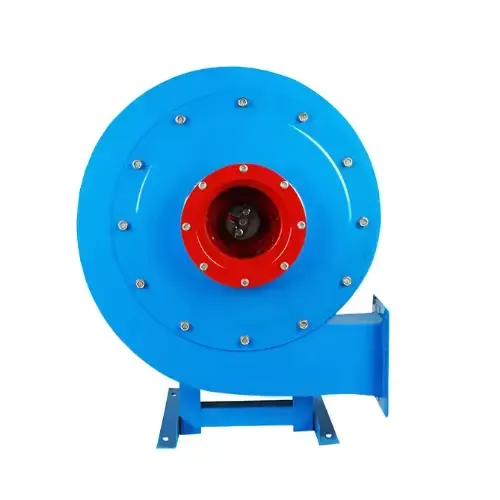
Forward Curved Centrifugal Fan,Backward Curved Centrifugal Fan,Industrial Boiler Fan,Boiler Induced Draft Fan,Ventilator Fan,Induced Draft Fan,High Temperature Blower Fan,Industrial Blower Fan,Centrifugal Blower Fan,High Pressure Blower Fan,Stainless Steel Centrifugal Fan
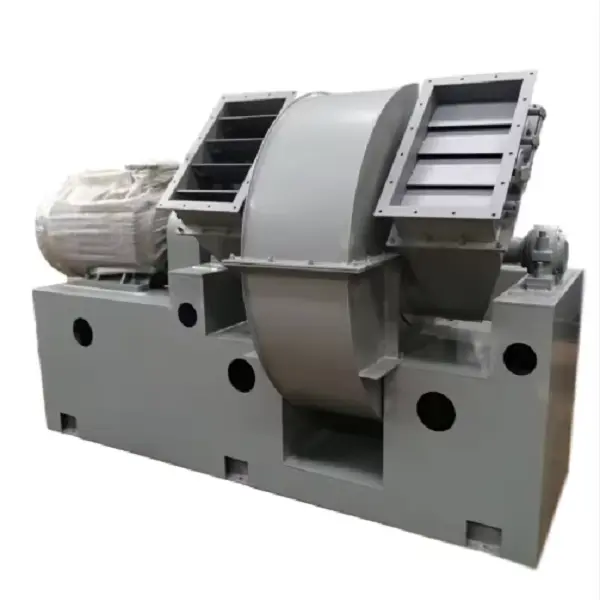
In the demanding world of industrial ventilation and air movement, efficiency, reliability, and robust performance are not just desired—they are required. The heart of countless systems, from large-scale wastewater treatment to vital industrial processes, is a powerful and dependable air source. This is where the engineering excellence of Hebei Ketong Environmental Protection Equipment Co., Ltd. comes to the fore with its premier line of double inlet centrifugal blowers. Representing a significant leap in fan technology, these blowers are designed to deliver unparalleled airflow and pressure performance for the most critical applications.
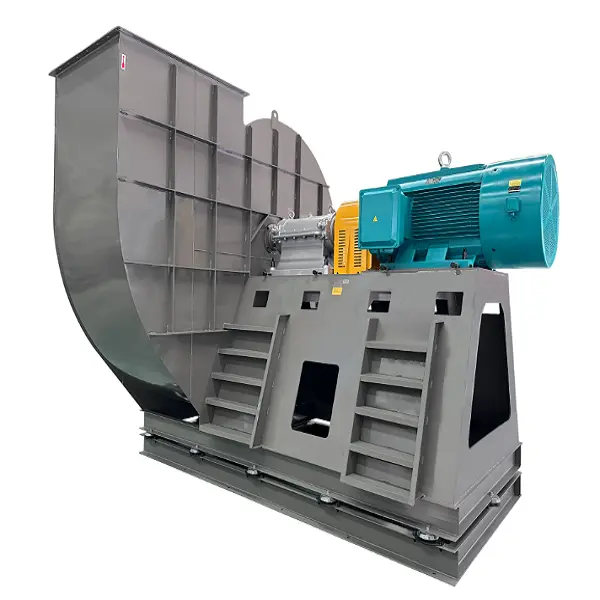
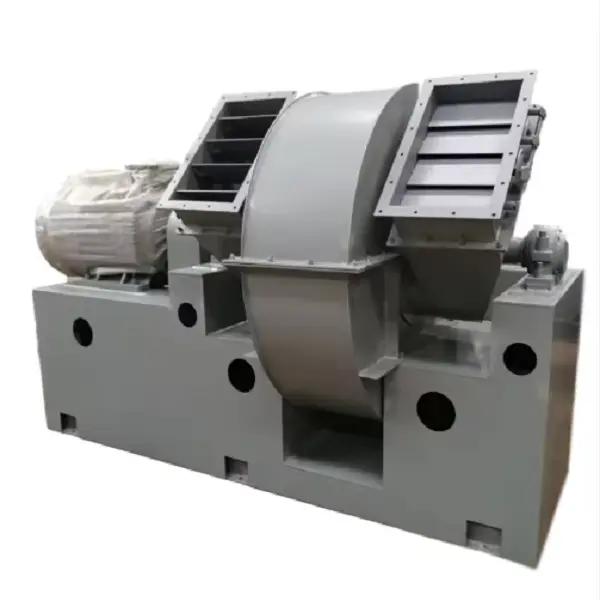 Double Inlet Centrifugal Blower in operation" style="width:100%; max-width:800px; height:auto; display:block; margin:20px auto;">
Unlike conventional single-inlet designs, a double inlet centrifugal blower features an impeller that draws air in from both sides simultaneously. This symmetrical design is a game-changer. It effectively doubles the intake area, allowing for a much larger volume of air to be handled without a proportional increase in impeller diameter or rotational speed. The result? A remarkably compact unit capable of generating exceptionally high airflow rates and stable pressure, all while operating with superior balance and reduced vibration. At Hebei Ketong, we have refined this concept into a product line that stands as a pillar of durability and efficiency for industries worldwide.
The core of our double inlet centrifugal blower's superiority lies in its meticulous design and high-quality construction. Every component is selected and engineered to meet the rigorous demands of 24/7 industrial operation.
Advanced Impeller Design: The heart of the blower is its precision-balanced impeller. Crafted from high-strength aluminum alloy or steel, and utilizing advanced airfoil blade designs, it maximizes aerodynamic efficiency. This ensures smooth, turbulent-free airflow, translating to higher performance and lower energy consumption.
Robust Construction & Premium Materials: The housing is constructed from heavy-gauge, corrosion-resistant steel, often with a durable powder-coated or specialized epoxy finish to withstand harsh environments, including those with moisture, chemical fumes, or abrasive particulates. Key components like shafts are made from high-tensile steel and are supported by heavy-duty, pre-lubricated bearings designed for a long service life with minimal maintenance.
Superior Efficiency & Energy Savings: The dual-inlet design inherently promotes better mechanical balance and reduces shaft stress. Coupled with an optimally designed volute casing that efficiently converts kinetic energy into pressure, our blowers achieve peak operational efficiency. This directly correlates to significant reductions in electricity costs, offering a rapid return on investment.
Quiet and Stable Operation: The symmetrical airflow intake minimizes pulsations and vibration. Combined with carefully designed internal contours and optional acoustic insulation packages, our double inlet centrifugal blowers operate at remarkably low noise levels, contributing to a safer and more comfortable working environment.
Industrial managers and engineers face constant pressure to optimize processes, reduce downtime, and control operational costs. A failing or inefficient air system can cripple production, compromise environmental compliance, and inflate energy bills. The Hebei Ketong Double Inlet Centrifugal Blower is engineered as a direct solution to these pervasive challenges.
Scenario 1: The Need for High Volume in Limited Space.
A wastewater treatment plant needs to increase aeration capacity for a new bioreactor but has very limited space in the existing blower room. Traditional blowers would require multiple large units or complex ducting.
Our Solution: The compact yet powerful design of our double inlet blower provides the necessary high cubic feet per minute (CFM) output from a single, space-efficient footprint, eliminating the need for expensive structural modifications.
Scenario 2: Combating Downtime from Component Failure.
In a pneumatic conveying system, unexpected blower failure halts the entire production line, leading to massive losses.
Our Solution: Built with durability as a cornerstone, our blowers feature overspec'd bearings, robust shaft design, and protective coatings. They are engineered for continuous duty (24/7/365 operation), dramatically increasing mean time between failures (MTBF) and ensuring process continuity.
Scenario 3: Skyrocketing Energy Costs.
An industrial facility sees its operational costs rising uncontrollably, with legacy air-moving equipment being a major contributor.
Our Solution: The aerodynamic efficiency of our impeller and housing design ensures maximum air delivery per kilowatt-hour. By upgrading to a Ketong high-efficiency double inlet blower, facilities often see energy savings of 15-25%, paying for the investment in a short period.
The following table outlines key parameters for our standard series of Double Inlet Centrifugal Blowers, showcasing their capability range. Custom engineered solutions are also available.
| Model Series | Airflow Range (CFM) | Pressure Range (in. w.g.) | Power Range (HP) | Typical Applications |
|---|---|---|---|---|
| KT-DIC-200 | 5,000 - 15,000 | 4 - 12 | 10 - 40 | Medium HVAC, Industrial Exhaust, Drying Ovens |
| KT-DIC-500 | 15,001 - 35,000 | 6 - 20 | 30 - 100 | Wastewater Aeration, Large Process Cooling, Pneumatic Conveying (Light) |
| KT-DIC-1000 | 35,001 - 70,000 | 10 - 30 | 75 - 250 | Major Wastewater Treatment Plants, Mine Ventilation, Heavy-Duty Process Air |
| KT-DIC-1500+ | 70,000+ | 15 - 40+ | 200 - 500+ | Power Plant Systems, Major Industrial Complexes, Custom High-Pressure Systems |
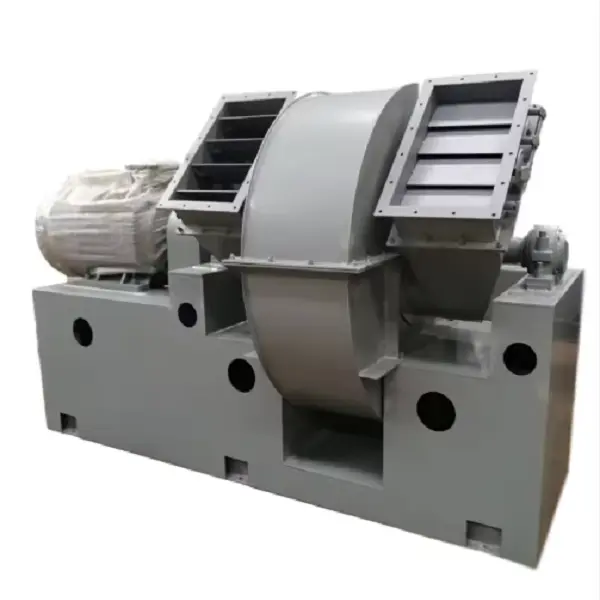
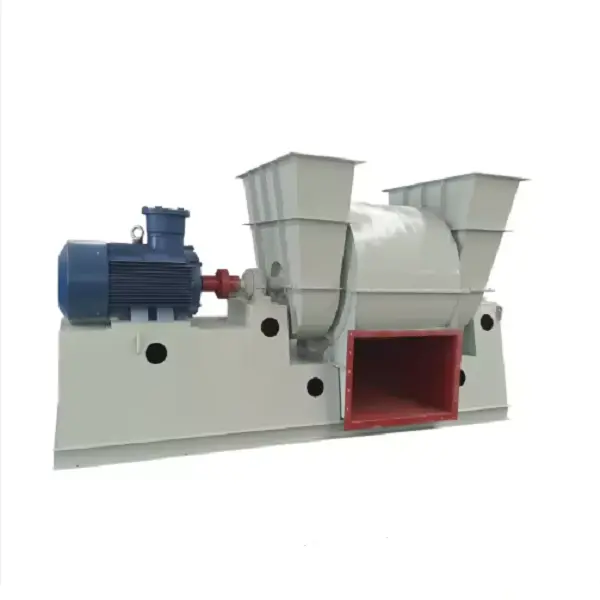
The versatility and power of this technology make it indispensable across a broad spectrum of industries. If your operation involves moving large volumes of air or gas, creating pressure differentials, or ensuring vital ventilation, this is your solution.
Choosing a Hebei Ketong blower is more than a capital expenditure; it's an investment in operational serenity. Plant managers and facility engineers report a tangible shift from constant worry about system failures to confident oversight. The relentless hum of an inefficient, straining fan is replaced by the steady, quiet purr of optimal performance. Budget forecasts become more predictable as energy bills stabilize and decrease, and maintenance calendars shift from frequent interventions to scheduled, preventative checks. This blower solves the core problem of uncertainty, providing a dependable, robust heart for your air system that lets you focus on your core business, not your utility closet.
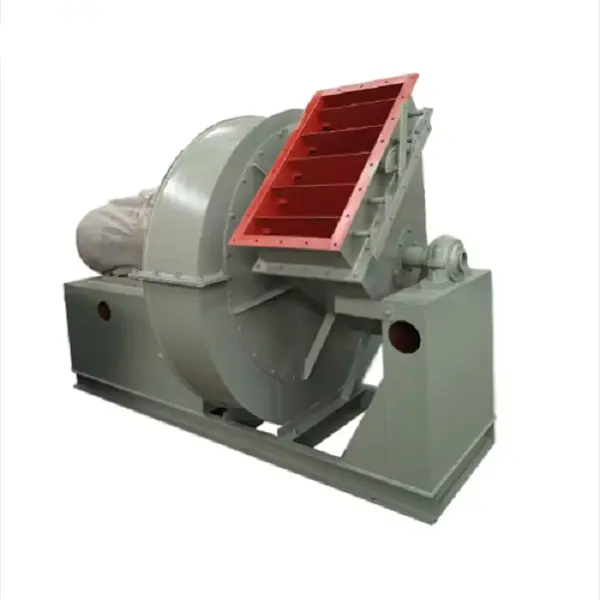
While many manufacturers offer centrifugal fans, the Hebei Ketong Double Inlet Centrifugal Blower distinguishes itself through integrated excellence.
Q: What is the main advantage of a double inlet design over a single inlet design?
A: The primary advantage is the ability to handle a much larger volume of air (CFM) in a more compact housing and with better dynamic balance. By drawing air from both sides, the axial load on the impeller and shaft is significantly reduced, leading to less stress, lower vibration, and longer bearing life. This allows for a higher capacity fan without needing an excessively large diameter impeller.
Q: Are these blowers suitable for handling hot air or corrosive fumes?
A: Yes, but specifications must be provided at the time of inquiry. We construct blowers using materials suitable for elevated temperatures (such as heat-resistant paints and expanded metal gauges) and for corrosive environments (like stainless steel housings or special epoxy coatings). Sealing and bearing cooling options are also available for high-temperature applications.
Q: How do I determine the correct size (model) of blower for my application?
A: Sizing requires knowing two key system parameters: the required airflow (in CFM or m³/hr) and the system pressure resistance (in inches of water gauge or Pascal) the blower must overcome. Our technical sales team can assist you with this calculation based on your ductwork layout, process requirements, and environmental conditions to select the optimal model and motor horsepower.
Q: What kind of maintenance do these blowers require?
A: Maintenance is notably minimal due to the robust design. Primary tasks include periodic visual inspections, checking and cleaning inlet screens (if equipped), monitoring for unusual vibration or noise, and ensuring proper lubrication of bearings according to the manufacturer's schedule (typically annually for permanently lubricated bearings). Detailed maintenance manuals are provided with each unit.
Q: Do you offer variable speed drives or control systems with your blowers?
A: Absolutely. While our blowers are compatible with standard across-the-line starters, we highly recommend and can supply integrated variable frequency drives (VFDs). A VFD allows for precise speed control, enabling you to match airflow exactly to process demand, which results in maximum energy savings and softer, controlled startups that reduce mechanical stress.
Q: What is your lead time for standard and custom models?
A: Lead times vary based on model complexity and current order volume. Standard models from our popular series typically have shorter lead times. For custom-engineered solutions involving special materials, coatings, or performance points, the lead time is longer to ensure proper engineering and manufacturing. We provide accurate lead time estimates upon receipt of detailed specifications.