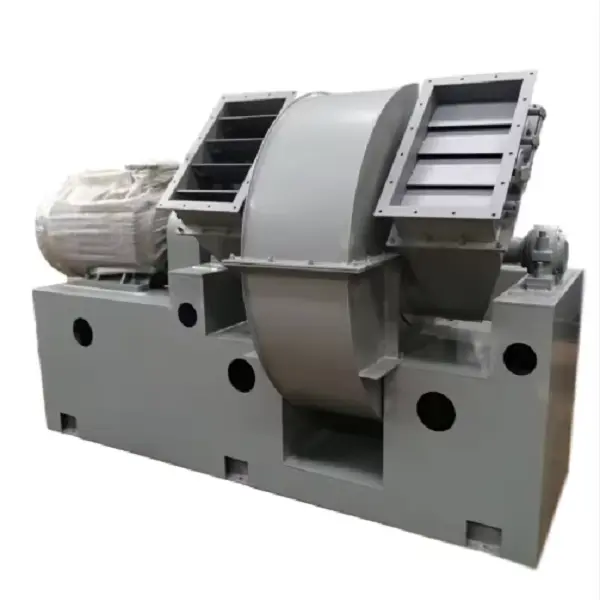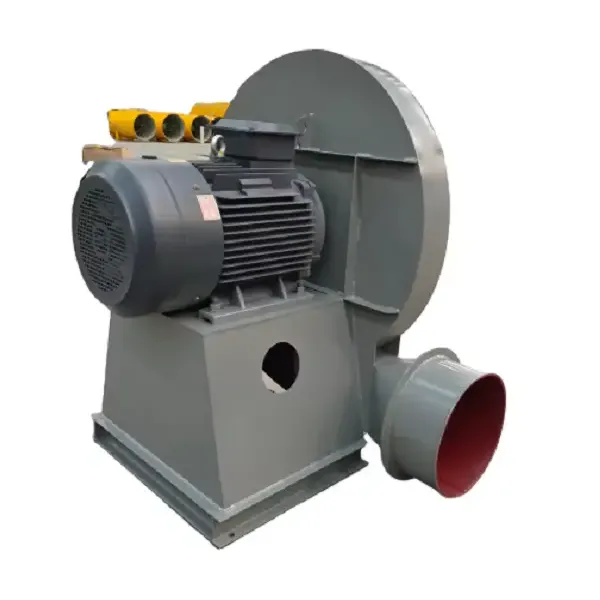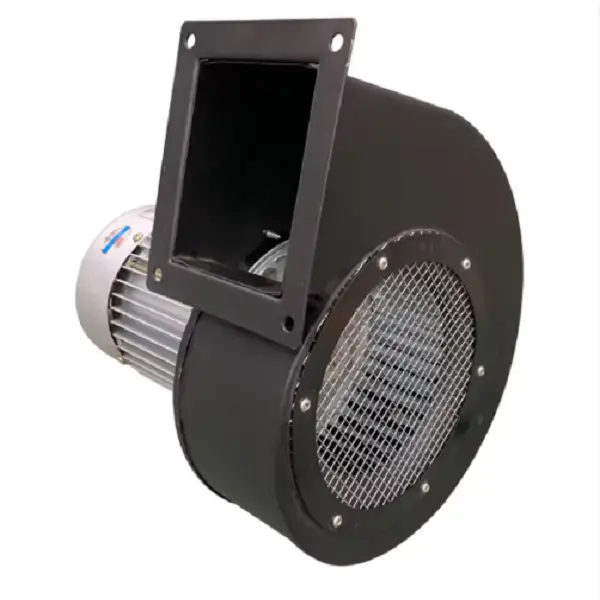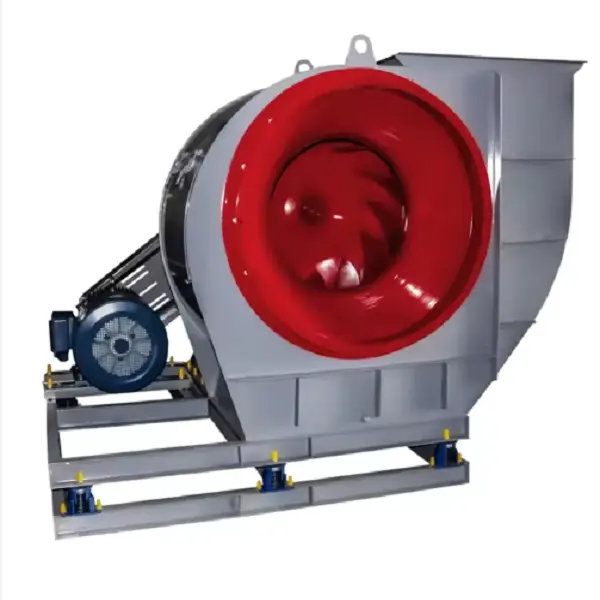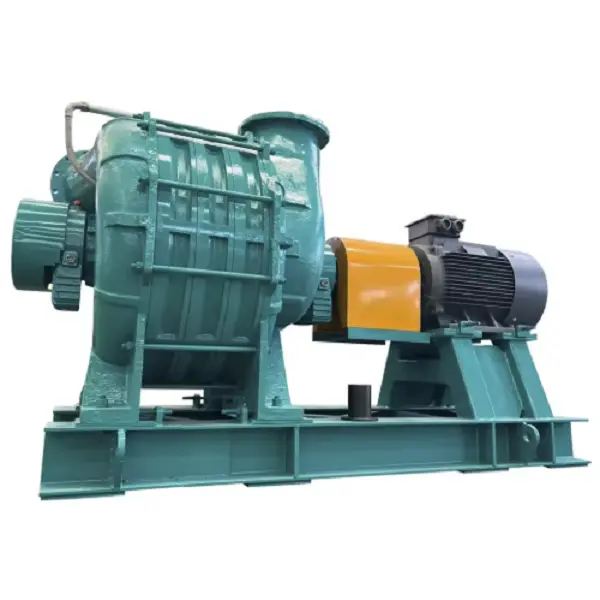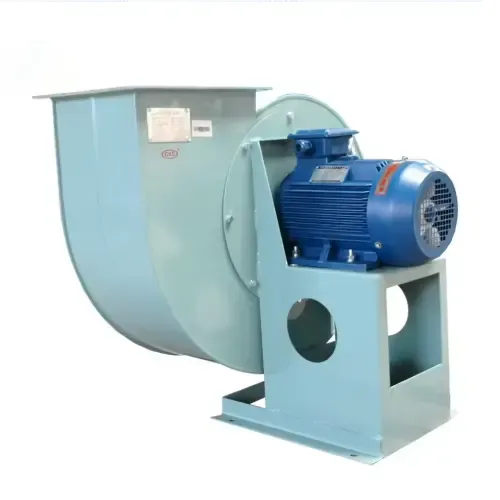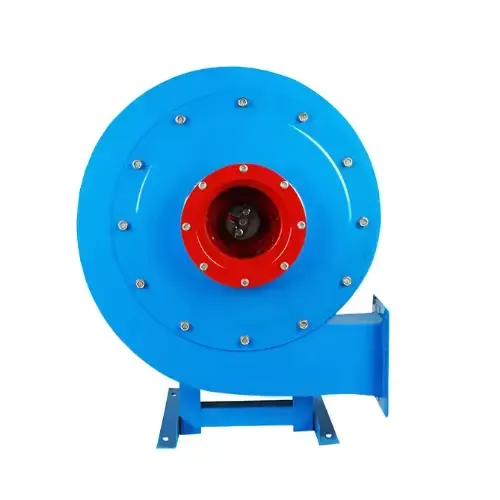
Forward Curved Centrifugal Fan,Backward Curved Centrifugal Fan,Industrial Boiler Fan,Boiler Induced Draft Fan,Ventilator Fan,Induced Draft Fan,High Temperature Blower Fan,Industrial Blower Fan,Centrifugal Blower Fan,High Pressure Blower Fan,Stainless Steel Centrifugal Fan
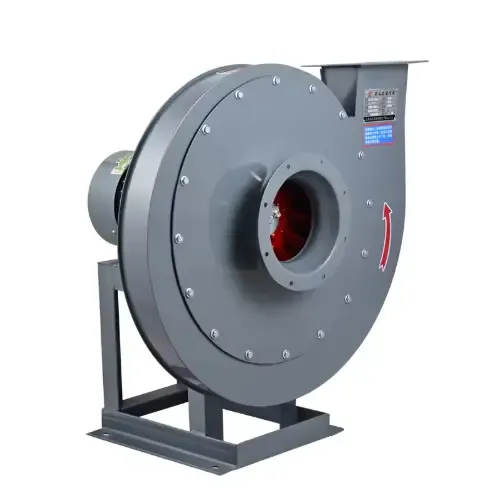
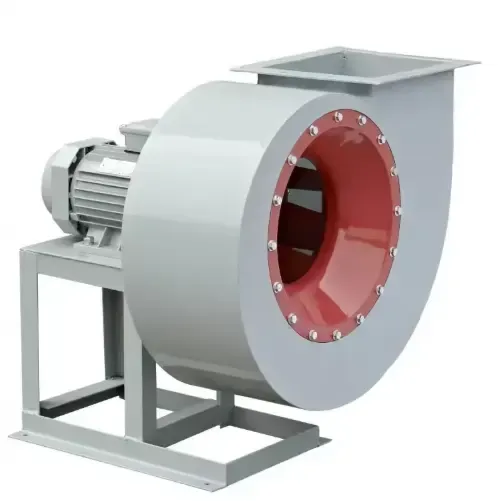
In the demanding world of industrial ventilation and process air movement, efficiency, reliability, and precision are not just preferences—they are necessities. Introducing the next-generation solution engineered to redefine performance standards: the Direct Drive Centrifugal Blower from Hebei Ketong Environmental Protection Equipment Co., Ltd. This powerhouse of innovation is designed to deliver unparalleled airflow control and operational stability for a vast spectrum of industrial applications, from wastewater treatment aeration and pneumatic conveying to industrial drying and combustion air supply. By eliminating traditional mechanical transmission components, our blower offers a direct, efficient, and remarkably quiet transfer of power, setting a new benchmark for what modern industrial equipment can achieve.
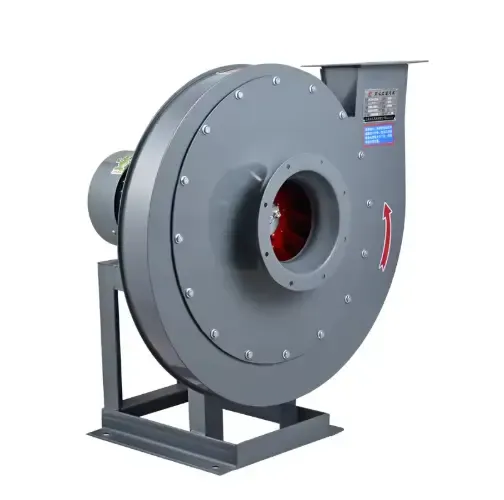
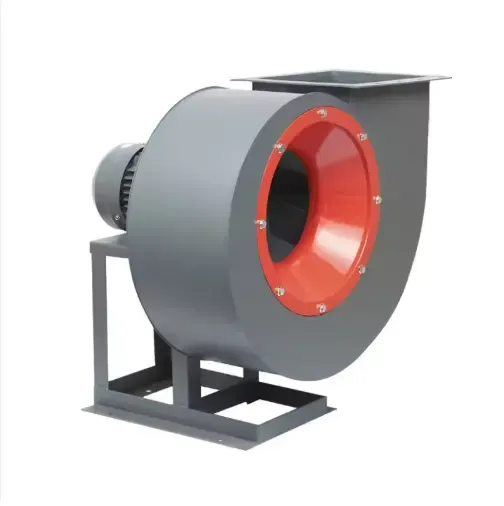
At the heart of our Direct Drive Centrifugal Blower lies a philosophy of intelligent simplicity. The core design eliminates the belt drive system, coupling, and gearbox found in conventional blowers. The impeller is mounted directly onto the extended shaft of a high-efficiency, permanent magnet synchronous motor (PMSM) or a precisely matched standard motor. This direct connection is revolutionary. It eradicates energy losses associated with friction and slippage in indirect drives, translating directly into significant energy savings—often exceeding 15-25% compared to traditional models. The absence of belts and gears also means there are no components to adjust, tighten, or replace due to wear, drastically reducing maintenance demands and downtime.
The impeller itself is a masterpiece of aerodynamic engineering. Crafted from high-strength aluminum alloy or stainless steel using precision casting and dynamic balancing technologies, it ensures smooth, vibration-free operation even at high rotational speeds. The blower housing is constructed from robust, corrosion-resistant materials, designed for optimal airflow dynamics and long-term durability in harsh environments. Every unit undergoes rigorous testing before leaving our facility, guaranteeing that the performance you expect is the performance you receive, day in and day out.
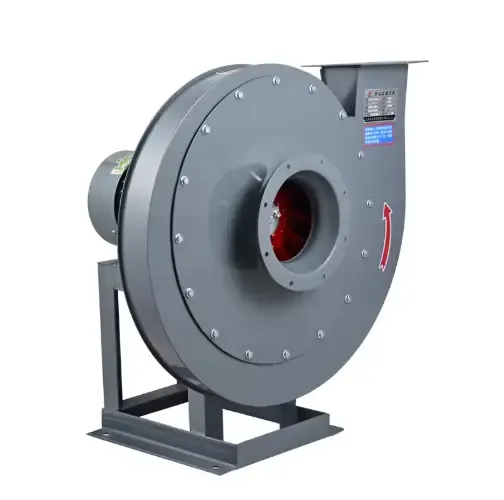
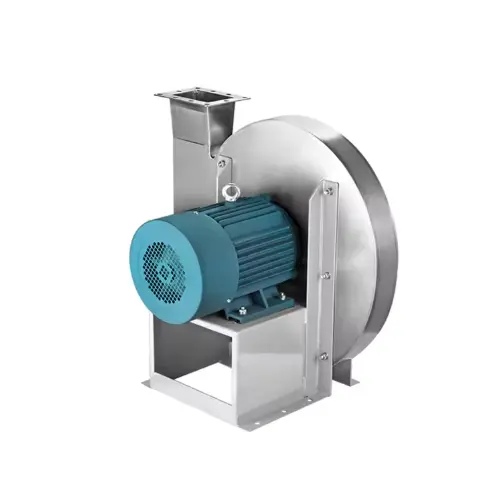
Industrial managers and plant engineers face constant pressure to optimize processes, control costs, and ensure system reliability. Traditional blowers can be a source of frustration: unpredictable energy bills from inefficient drives, unexpected shutdowns due to belt failures, the constant hum and whine of mechanical noise, and the ongoing labor and inventory costs of preventive maintenance. These are not minor inconveniences; they are operational bottlenecks that affect productivity and profitability.
The Hebei Ketong Direct Drive Centrifugal Blower is conceived as the definitive answer to these challenges. It provides a clean, efficient, and robust solution that integrates seamlessly into your process. Imagine a system that starts up seamlessly, runs with a noticeably quieter profile, consumes less power, and asks for nothing more than basic routine checks. It transforms the blower from a potential problem point into a model of dependable performance. Users report a profound sense of control and predictability in their operations. The anxiety of mid-shift breakdowns diminishes, replaced by confidence in equipment that simply performs. It solves the core problem of unreliable air supply, enabling smoother production lines, more stable biological processes in wastewater treatment, and consistent product quality in drying applications.
This technology is not a one-size-fits-all product. It is essential for industries and professionals where air flow is a critical process parameter. Key beneficiaries include:
In every scenario, the Direct Drive Centrifugal Blower provides the steady, controllable, and efficient air supply that modern industrial processes demand.
What truly sets the Hebei Ketong blower apart in a crowded market? The differentiation is clear and substantial:
While a traditional blower may have a lower initial purchase price, the Total Cost of Ownership (TCO) of our direct drive model is consistently lower when factoring in energy, maintenance, and reliability over its lifespan.
To address specific operational requirements, we offer a range of models. Below is a selection of parameters for common applications. Our engineering team can provide detailed specifications for custom needs.
| Model Series | Flow Rate (m³/min) | Pressure Range (kPa) | Motor Power (kW) | Key Application Focus |
|---|---|---|---|---|
| KT-DD-75 | 5 - 15 | 20 - 50 | 2.2 - 7.5 | Small-scale aeration, pneumatic transport |
| KT-DD-150 | 15 - 40 | 30 - 70 | 11 - 30 | Wastewater treatment, industrial drying |
| KT-DD-300 | 40 - 100 | 50 - 100 | 37 - 90 | Large aeration basins, combustion air supply |
| KT-DD-PM (PMSM) | 10 - 60 | 25 - 80 | 5.5 - 55 | High-efficiency, variable demand applications |
Q: How significant are the energy savings with a direct drive blower compared to a traditional belt-driven unit?
A: The savings are substantial and measurable. By removing the efficiency losses from belts, couplings, and gearboxes (which can range from 5% to 15% or more), the direct drive system channels more electrical power directly into creating airflow. In real-world applications, users typically document energy savings of 15% to 25%. With a variable frequency drive (VFD) for speed control, savings can be even higher, especially in applications with varying demand.
Q: Is the maintenance really that much simpler? What does routine maintenance involve?
A: Yes, the maintenance regime is drastically simplified. The core tasks involve periodic monitoring of motor bearing temperatures and vibrations, ensuring air inlet filters are clean, and checking electrical connections. There are no belts to inspect for wear and tension, no gears requiring oil changes or alignment checks. This reduction in maintenance complexity translates directly into lower labor costs, less required spare parts inventory, and reduced risk of maintenance-related errors.
Q: Are these blowers suitable for continuous, 24/7 operation?
A> Absolutely. In fact, their robust design and high reliability make them ideally suited for continuous duty cycles. The elimination of high-wear components like belts and the use of high-grade bearings and thermally protected motors are specifically engineered for non-stop operation in demanding industrial environments. Many of our units are the primary air source for wastewater treatment plants that run around the clock.
Q: Can I retrofit a direct drive blower to replace my existing belt-driven blower?
A> In most cases, yes, but a professional assessment is recommended. While the physical footprint and airflow performance can often be matched, considerations include foundation requirements, electrical supply compatibility (especially for PMSM motors), and integration with existing ductwork and control systems. Our technical team can provide retrofit analysis and support to ensure a smooth transition.
Q: How does the noise level compare to a gear-driven or belt-driven centrifugal blower?
A> Noise emissions are significantly lower. Traditional blowers generate noise from gear meshing, belt slip/whine, and the vibration from multiple drive components. Our direct drive design has a primary noise source from the aerodynamic movement of air and the motor cooling fan, resulting in a smoother, lower-pitched sound profile. This makes it easier to meet workplace health and safety noise standards and improves the ambient environment.
Q: What control options are available for integrating the blower into my automated process?
A> The blower is designed for seamless integration. Standard control options include direct online starters for constant speed operation. For optimal performance and energy savings, we highly recommend pairing it with a Variable Frequency Drive (VFD). This allows for precise speed (RPM) control based on system pressure or flow demand, enabling perfect process matching. The blower can also be equipped with modern sensors (pressure, temperature, vibration) and communication protocols (e.g., Modbus, Profibus) for integration into PLCs and SCADA systems for full remote monitoring and control.
Q: What is the typical lifespan of a Hebei Ketong Direct Drive Centrifugal Blower, and what is your quality guarantee?
A> With proper installation and basic maintenance, the core components of our blower are designed for a service life exceeding 15-20 years. Key wear components like bearings are rated for tens of thousands of hours of operation. Hebei Ketong Environmental Protection Equipment Co., Ltd. stands firmly behind the quality of our products. We offer a comprehensive warranty on materials and workmanship, and our global support network ensures you have access to technical assistance and genuine spare parts whenever needed.