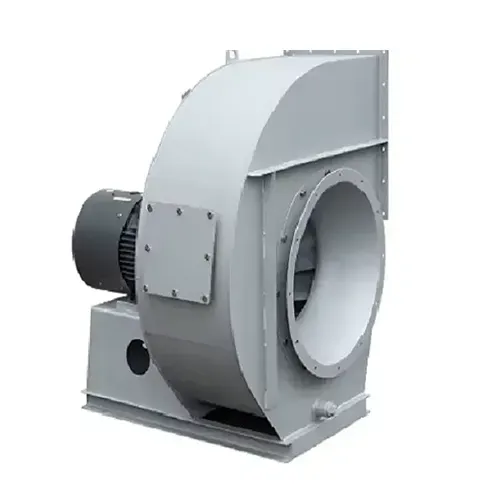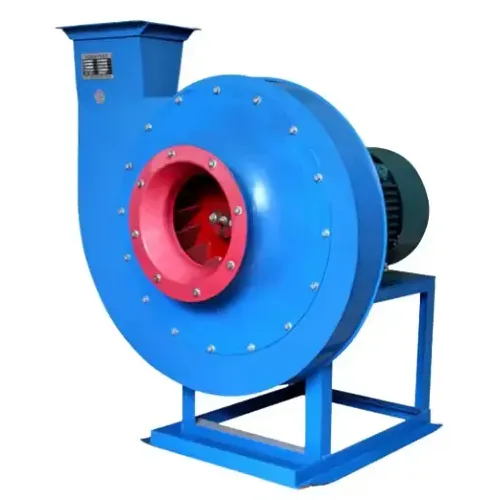
Forward Curved Centrifugal Fan,Backward Curved Centrifugal Fan,Industrial Boiler Fan,Boiler Induced Draft Fan,Ventilator Fan,Induced Draft Fan,High Temperature Blower Fan,Industrial Blower Fan,Centrifugal Blower Fan,High Pressure Blower Fan,Stainless Steel Centrifugal Fan
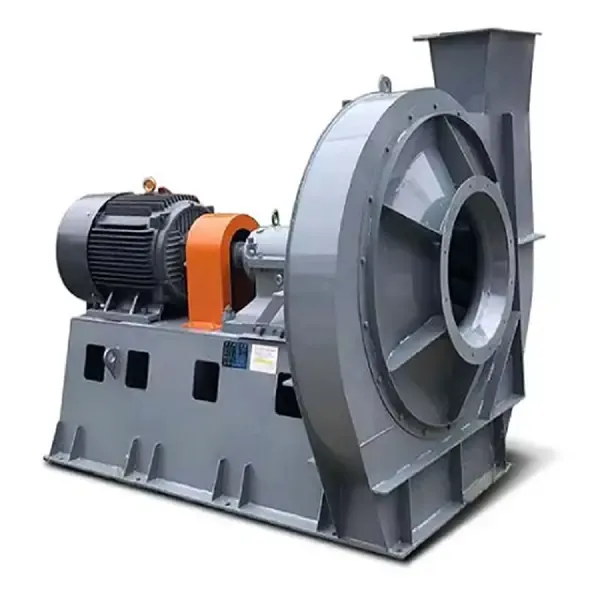
In the demanding world of industrial ventilation, achieving a balance between high pressure, reliable airflow, and energy efficiency is a constant challenge. Conventional fans often fall short, leading to system inefficiencies, increased operational costs, and compromised performance in critical applications. Enter the engineering solution engineered for resilience and power: the High Pressure Forward Curved Centrifugal Fan from Hebei Ketong Environmental Protection Equipment Co., Ltd. This isn't just another fan; it's a meticulously crafted airflow system designed to conquer demanding environments where standard equipment fails.
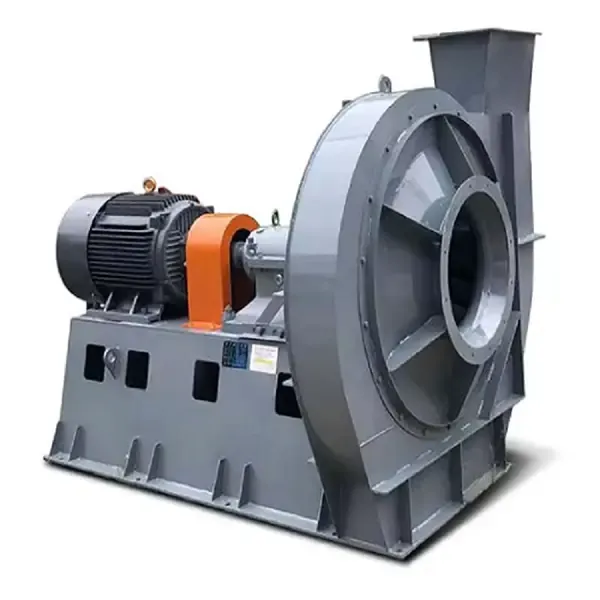
Imagine a workhorse that thrives under pressure. The core of our fan's superior performance lies in its forward-curved blade design. Unlike backward-inclined blades optimized for efficiency at standard pressures, our forward-curved impeller is a master of generating higher pressure from a relatively compact wheel diameter. This ingenious design allows the fan to move a significant volume of air against substantial resistance—be it from dense filter banks, long ductwork runs, complex piping systems, or the inherent static pressure of specific industrial processes. It's the ideal choice for applications demanding robust air movement where space constraints or system design necessitate a high-pressure output without a massive footprint.
At Hebei Ketong, we believe that durability is the foundation of performance. Our High Pressure Forward Curved Centrifugal Fan is constructed from premium-grade materials selected for strength and longevity. The housing, often fabricated from galvanized steel or powder-coated carbon steel, provides a rigid structure that minimizes vibration and noise while resisting corrosion. The heart of the unit—the impeller—is precision-balanced using dynamic balancing equipment to ensure smooth, vibration-free operation even at maximum RPM, drastically reducing wear on bearings and extending the motor's service life. This commitment to quality control at every manufacturing stage ensures that every fan leaving our facility delivers not just promised specs but also unparalleled reliability.
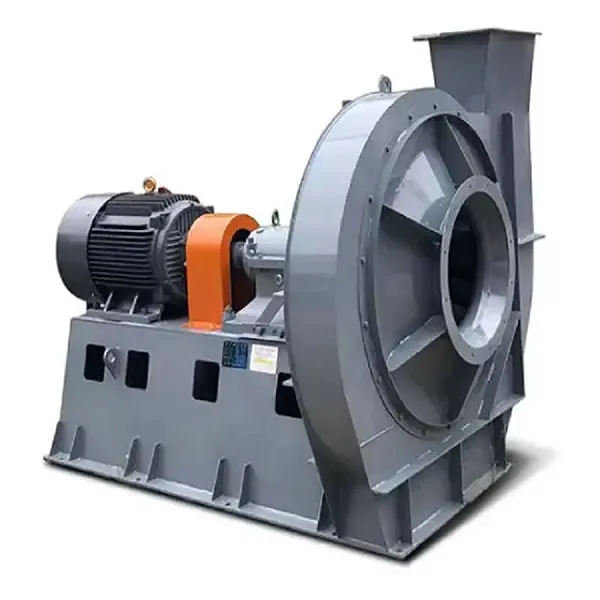
Who relies on such a powerful ventilation solution? The applications are as diverse as industry itself. This fan is indispensable for system designers and plant managers overseeing:
The emotion tied to installing a Hebei Ketong fan is one of profound relief and confidence. For facility engineers, it replaces the anxiety of unexpected downtime with the assurance of continuous operation. The persistent hum of an overworked, inefficient fan is replaced by the steady, optimized performance of a balanced system. Energy bills become predictable and often reduced, as our fans are designed to hit target pressure and flow rates without wasteful excess. Ultimately, it solves the core problem of uncertainty—you gain a predictable, powerful, and dependable component at the heart of your air system, allowing you to focus on your core business, not your ventilation worries.
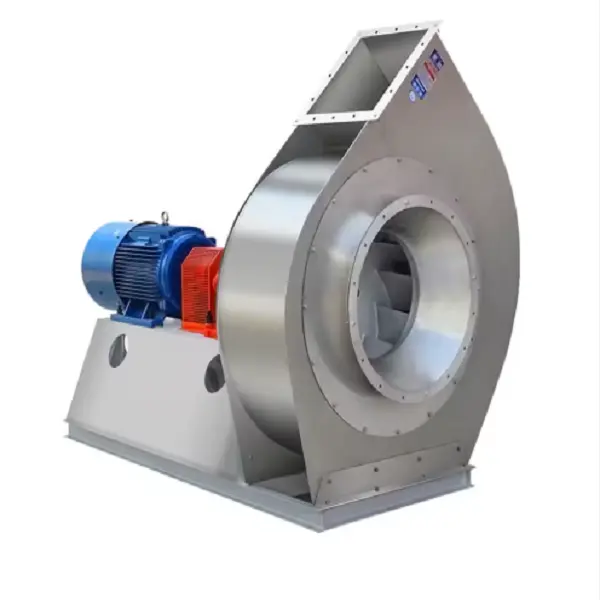
What truly sets the Hebei Ketong High Pressure Forward Curved Centrifugal Fan apart is a synthesis of intelligent design and practical engineering. We go beyond the basic blueprint to incorporate features that address real-world installation and operational challenges.
Consider a typical pain point: selecting a fan for a upgraded dust collection system. The old fan can't handle the increased static pressure from new, finer filters, leading to poor capture at hoods and compliance issues. The solution is a correctly sized High Pressure Forward Curved Centrifugal Fan that matches the new system curve.
| Model | Impeller Diameter (mm) | Airflow Range (m³/h) | Static Pressure Range (Pa) | Motor Power Range (kW) | Typical Application |
|---|---|---|---|---|---|
| KT-FC-300 | 300 | 500 - 1,800 | 800 - 1,500 | 1.1 - 3.0 | Fume exhaust, small booth ventilation |
| KT-FC-450 | 450 | 1,500 - 4,500 | 1,000 - 2,000 | 3.0 - 7.5 | Centralized dust collection, process air supply |
| KT-FC-600 | 600 | 3,500 - 9,000 | 1,200 - 2,500 | 7.5 - 18.5 | Industrial oven exhaust, large-scale material conveying |
| KT-FC-800 | 800 | 8,000 - 20,000 | 1,500 - 3,000 | 15.0 - 45.0 | Building pressure boost, major pollution control systems |
Note: Specific performance depends on actual system conditions. Our engineering team provides precise selection support.
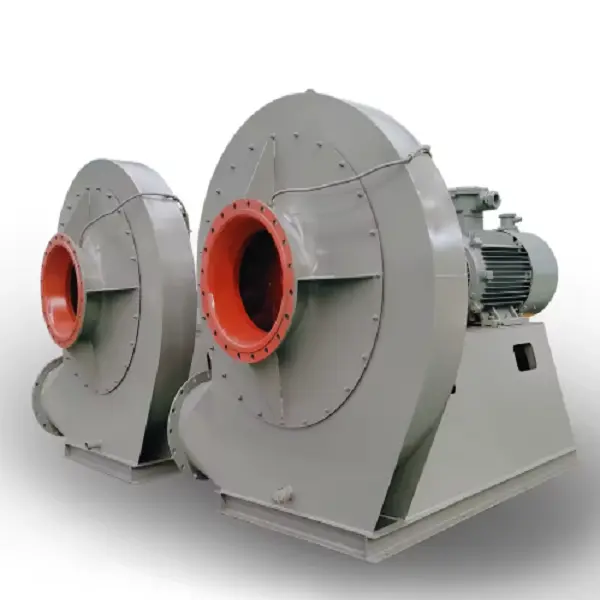
Q: What is the main advantage of a forward-curved blade design over a backward-inclined design?
A: The primary advantage is the ability to generate higher static pressure with a smaller diameter impeller and at a lower tip speed compared to a backward-inclined fan of similar size. This makes forward-curved fans excellent for high-pressure, medium-flow applications, often resulting in a more compact and cost-effective package for the pressure required. However, they are typically most efficient at a specific point on their performance curve.
Q: Are these fans suitable for moving air with dust or particulate matter?
A: Yes, they are commonly used in many dust-laden air applications, such as the pressure side of dust collection systems. However, for handling very heavy or abrasive dust directly, we recommend consulting our engineers. We can advise on specific blade designs, heavier gauge materials, or protective coatings to enhance wear resistance and ensure long service life in challenging conditions.
Q: Can the fan performance be adjusted after installation?
A: For belt-driven models, performance can be adjusted within a range by changing the motor and/or fan pulley sizes to alter the impeller speed. For direct-drive models, performance is fixed unless paired with a variable frequency drive (VFD). We highly recommend consulting us during the selection phase to ensure the chosen model and drive configuration best match your system's requirements for optimal efficiency.
Q: What kind of maintenance do these fans require?
A: Maintenance is straightforward but crucial. For belt-drive models, periodic checking and tensioning of belts, along with bearing lubrication per manufacturer guidelines, are essential. For all fans, regular inspection of the impeller for material buildup, checking housing and connections for leaks, and ensuring inlet screens (if used) are clean will ensure peak performance and longevity. Our manuals provide detailed maintenance schedules.
Q: Does Hebei Ketong provide custom specifications for unique applications?
A: Absolutely. While we offer a comprehensive range of standard models, a significant part of our service is providing engineered solutions. We can customize dimensions, construction materials (stainless steel, special coatings), inlet/outlet angles, performance points, and accessories to meet specific temperature, corrosion, or spatial requirements. Share your project details with our technical team for a tailored proposal.
Q: What is the typical lead time for an order?
A: Lead times vary based on the model, specification (standard vs. custom), and order quantity. Standard models may have shorter lead times, while fully customized units require more engineering and manufacturing time. We prioritize clear communication and will provide an estimated timeline upon receipt of your inquiry, working diligently to meet your project schedule.